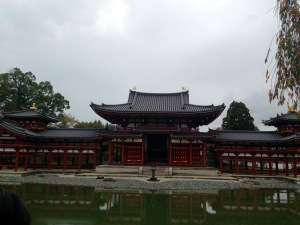
平等院鳳凰堂(普賢寺伊東邸から車で30分)
The Phoenix Hall of Byodo-in Temple
Tourism
Kannon-ji Temple
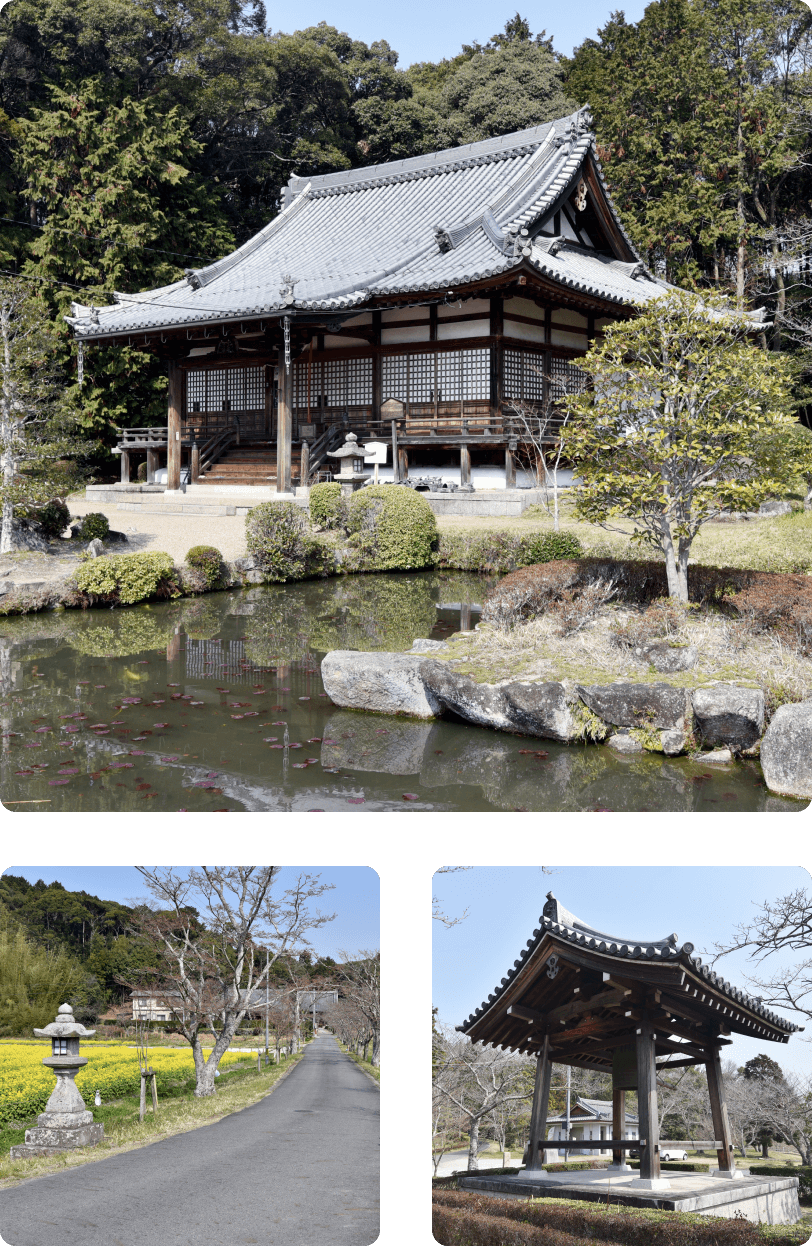
観音寺は、天武天皇の勅願により義淵僧正が創建したと伝えられる古寺です。のちに聖武天皇の御願によって良弁僧正が伽藍を整え、十一面観音立像を安置したといわれています。かつては「筒城の大寺」と呼ばれる大寺院でしたが、度重なる火災により衰退しました。
永享9年(1437年)の火災で多くの堂宇を失い、現在は大御堂(本堂)を中心に、庫裏や鎮守社のみが残っています。本堂は昭和28年(1953年)に再建されたものです。
境内は里山と調和した落ち着いた景観を見せ、春の桜や菜の花、秋の紅葉が美しく彩ります。
本堂に安置される木心乾漆造の十一面観音立像は、奈良時代を代表する国宝で、間近に拝観できることでも知られています。
伊東邸から徒歩で約7分
Google Mapで見る
Kannon-ji is an ancient temple with a history dating back to the 7th century, said to have been founded by the monk Gien under the imperial decree of Emperor Tenmu. It was later expanded by the monk Roben under the wish of Emperor Shomu, who enshrined the statue of the Eleven-faced Kannon. Once a magnificent complex known as the "Great Temple of Tsuki," it sadly declined due to several devastating fires over the centuries.
After a major fire in 1437 destroyed much of the temple grounds, only the Omido (Main Hall), the monks' quarters, and the guardian shrine remain today. The current Main Hall was rebuilt in 1953.
The temple grounds offer a serene landscape that harmonizes with the surrounding "satoyama" hills, beautifully colored by cherry blossoms and canola flowers in spring, and vibrant maples in autumn.
The temple’s centerpiece, the standing statue of the Eleven-faced Kannon, is a designated National Treasure. Crafted using the mokushin kanshitsu (wood-core dry lacquer) technique of the Nara period, it is renowned for its profound beauty and the rare opportunity for visitors to behold it from a close distance.
Access from the Estate:
Walking: Approximately 7 minutes from Fugenji Ito Estate.
View on Google Maps
Ikkyu-ji Temple (Shuon-an)
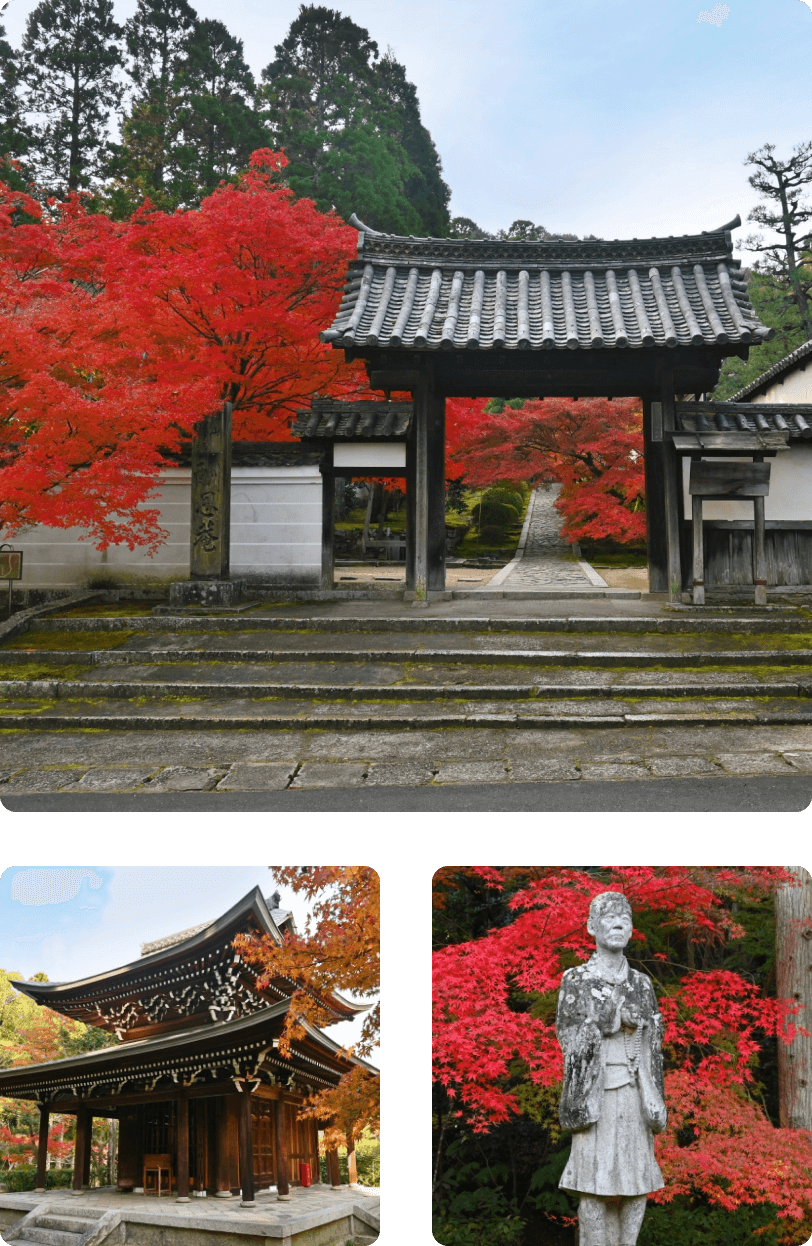
酬恩庵(しゅうおんあん)は、京都府京田辺市にある臨済宗大徳寺派の禅寺で、山号は霊瑞山、本尊は釈迦如来です。一休宗純和尚が晩年を過ごした寺として知られ、一般に「一休寺」と呼ばれています。
鎌倉時代の正応年間(1288〜1293年)、南浦紹明(大応国師)が開いた妙勝寺が前身ですが、元弘年間の戦火で荒廃しました。康正2年(1456年)、一休和尚が草庵を結んで中興し、宗祖の恩に報いる意味から「酬恩庵」と名づけられました。一休和尚は大徳寺の住持となった後もこの庵から通い、応仁の乱を避けて再び戻り、文明13年(1481年)、88歳でここにて没しました。
境内には一休和尚が住んだと伝わる虎丘庵があり、本堂は室町時代、方丈や庫裏などは江戸時代の建築で、いずれも重要文化財です。方丈庭園は名勝に指定され、苔と自然石が美しい枯山水庭園として知られています。
伊東邸から車で約10分
Google Mapで見る
Shuon-an is a Zen temple of the Rinzai Daitoku-ji school, commonly known as "Ikkyu-ji" because the legendary monk Ikkyu Sojun spent his later years here. The temple's formal name, Shuon-an, meaning "Hermitage of Repaying Gratitude," was chosen by Ikkyu himself in 1456 when he restored the site to honor the legacy of his predecessors.
The temple's origins date back to the late 13th century, but after falling into ruins during wars, it was Ikkyu who brought it back to life. Even after becoming the head priest of the prestigious Daitoku-ji Temple in Kyoto, Ikkyu preferred the quiet of this hermitage. He lived here during the turbulent Onin War and eventually passed away at the age of 88 in 1481.
The temple grounds are a treasure trove of Japanese history. The Main Hall (Muromachi period) and the Hojo (Abbot’s Quarters, Edo period) are designated as Important Cultural Properties. The Hojo Garden, a masterpiece of the "Karesansui" (dry landscape) style featuring beautiful moss and natural stones, is a government-designated National Scenic Spot.
Access from the Estate:
Driving: Approximately 10 minutes from Fugenji Ito Estate.
View on Google Maps