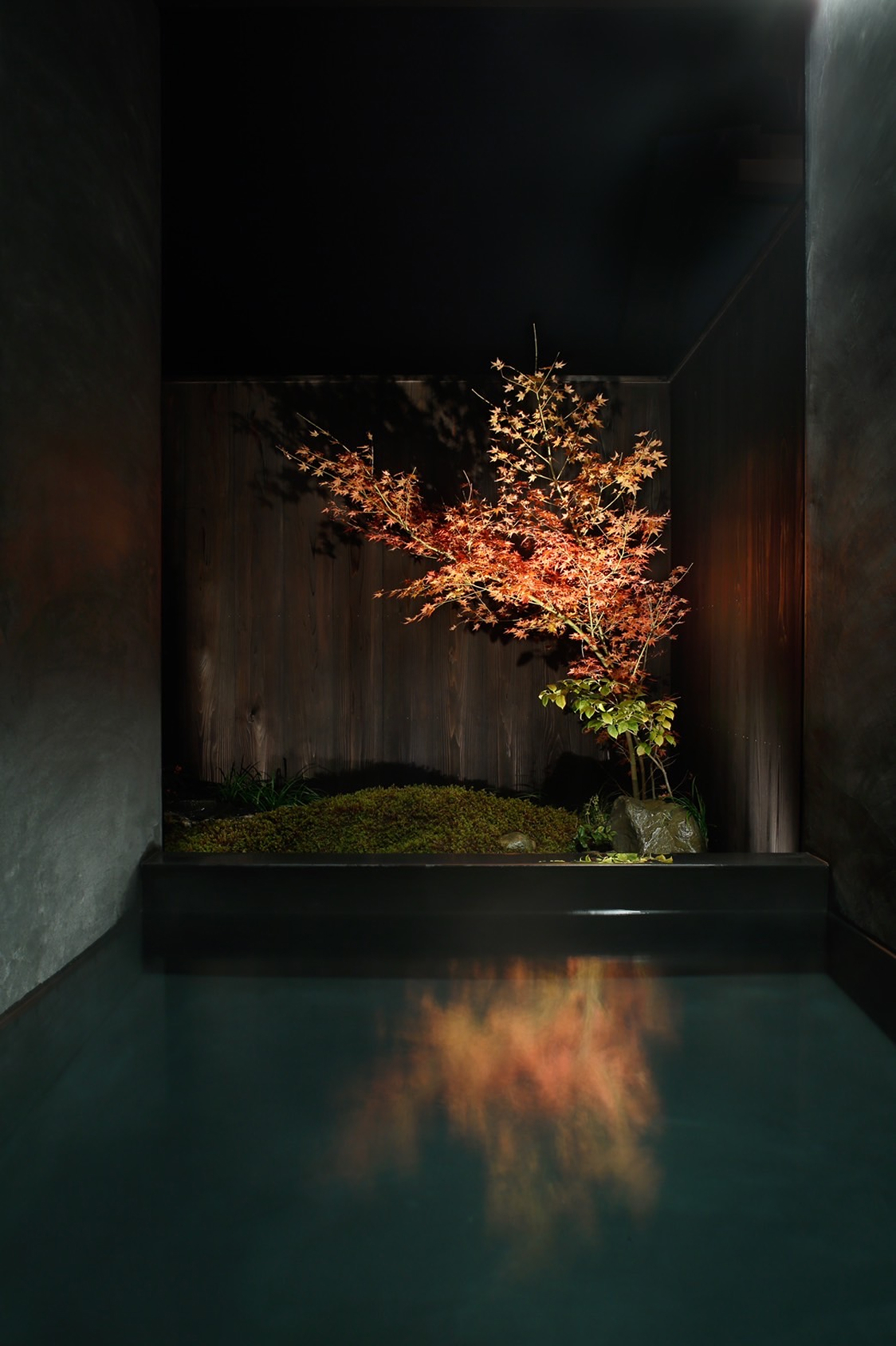
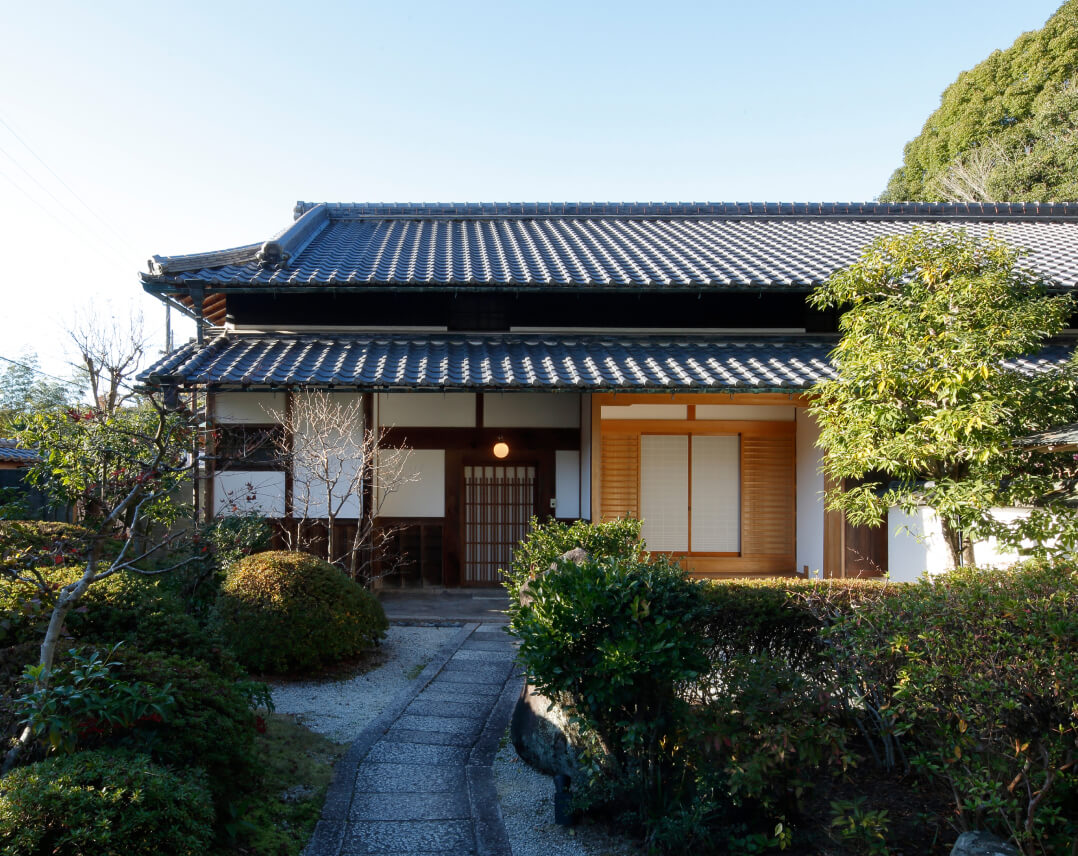
伊東家とお茶文化の歴史
History
伊東邸は、藤原南家・工藤氏の流れを汲む名門・伊東氏の一族に連なります。
中世には伊豆・相模から日向へ勢力を広げ、「伊東四十八城」を築いたことでも知られます。
南山地域においても、寺院荘園の管理などを通じて歴史の一角を担ってきました。
その系譜は、今も「保存」ではなく「体験」として生き続けています。
——歴史・アート・建築が、静かに交わる場所として。
伊藤若冲のアート、古地図に残る山城国、建築家・佐野文彦による浴室など、過去と現代がひとつに溶け合う宿です。
The Ito family is a distinguished lineage descending from the Kudo clan of the Southern Fujiwara. Known in the Middle Ages for expanding their influence from Izu and Sagami to Hyuga, they were famously celebrated for establishing the "Forty-Eight Castles of Ito." In the Nanzan region, the family played a pivotal role in local history through the management of temple estates. This heritage is not merely "preserved" as a relic of the past; it lives on as a vibrant, tangible "experience."
— A place where History, Art, and Architecture quietly converge.
From the artworks of Jakuchu Ito and ancient maps of the Yamashiro Province to the contemporary bath design by architect Fumihiko Sano, the estate is a sanctuary where the past and the present dissolve into one.
山崎合戦図屏風
 1582年6月13日、現在の京都府長岡京市・山崎の地で行われた、羽柴秀吉と明智光秀による戦いを描いた屏風。中央付近にある伊織木瓜(家のようなフォルム)が伊東家の家紋として確認できます。
この合戦当時、伊東家の一族である 伊東作兵衛(20代) も同時代に活躍しており、この戦いに参陣していた可能性が考えられます。
戦国期における伊東家の動向を示す貴重な史料のひとつです。
The Battle of Yamazaki Folding Screen
This grand folding screen depicts the historic Battle of Yamazaki, which took place on June 13, 1582, between Hashiba (Toyotomi) Hideyoshi and Akechi Mitsuhide.
A significant detail can be found near the center of the artwork: the "Iori-Mokko" (a house-shaped crest), which is the official family crest of the Ito family. During this turbulent Sengoku period, Sakube Ito (the 20th generation of the family) was an active figure, and it is highly probable that he participated in this very battle.
This masterpiece serves as a rare and invaluable historical record, offering a glimpse into the Ito family’s presence and movements during one of Japan’s most decisive military conflicts.
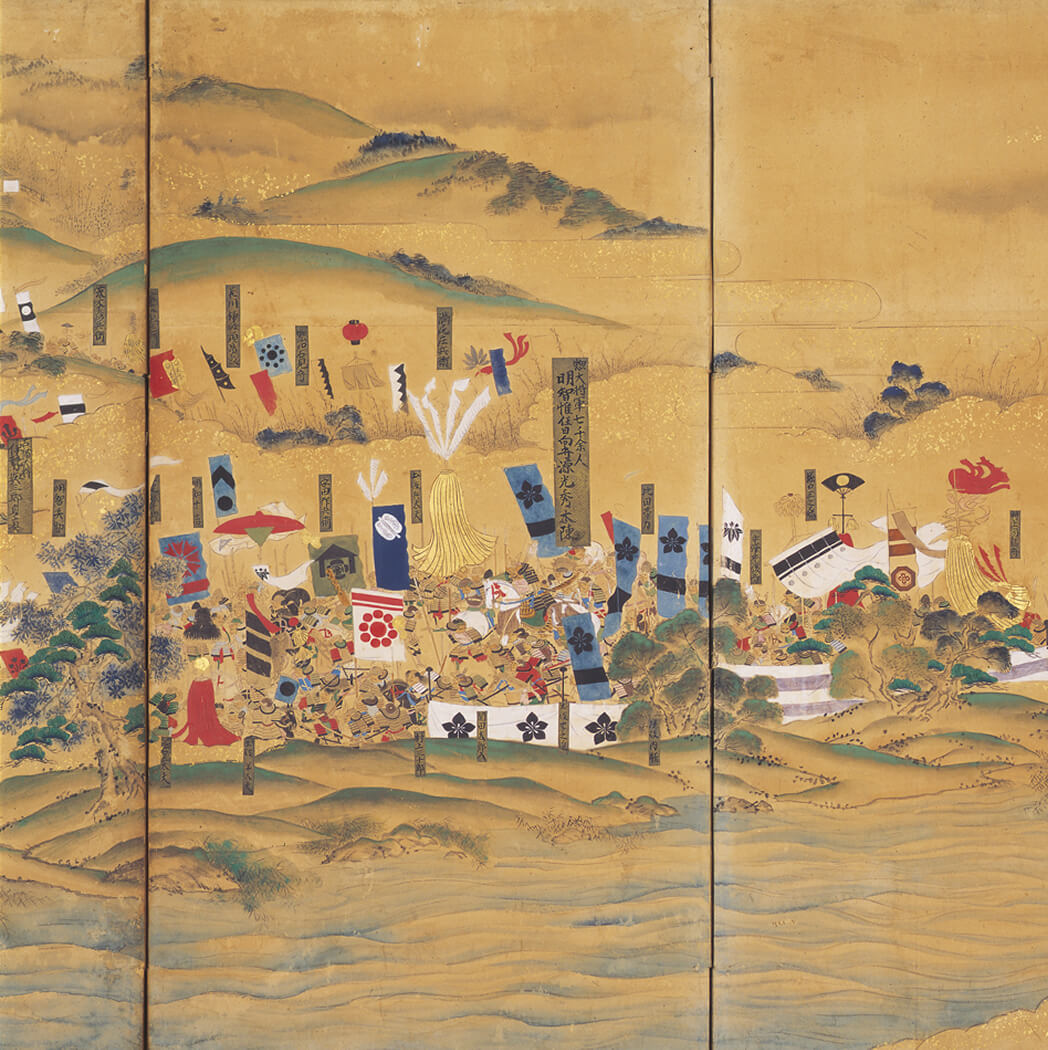 所蔵:大阪城天守閣
伊藤若冲と普賢寺の縁
江戸時代後期、花鳥画で知られる絵師・伊藤若冲(1716-1800)は、晩年をこの地・普賢寺で過ごしました。
寛政年間、ひげを伸ばし、質素な帯を締め、気ままに暮らす風変わりな人物が村に現れました。
食べ物がなくなると、一枚の絵を描き、それを米一斗と交換して生活していたことから、人々は彼を「斗米(とべい)画家」と呼びました。
その人物こそ、後に世界的評価を受ける伊藤若冲でした。
若冲は京都の青物問屋の家に生まれ、師に学んだものの、自らの限界を悟り、独自の画法を追求。特に鳥を描く筆致は他に例を見ないものでした。
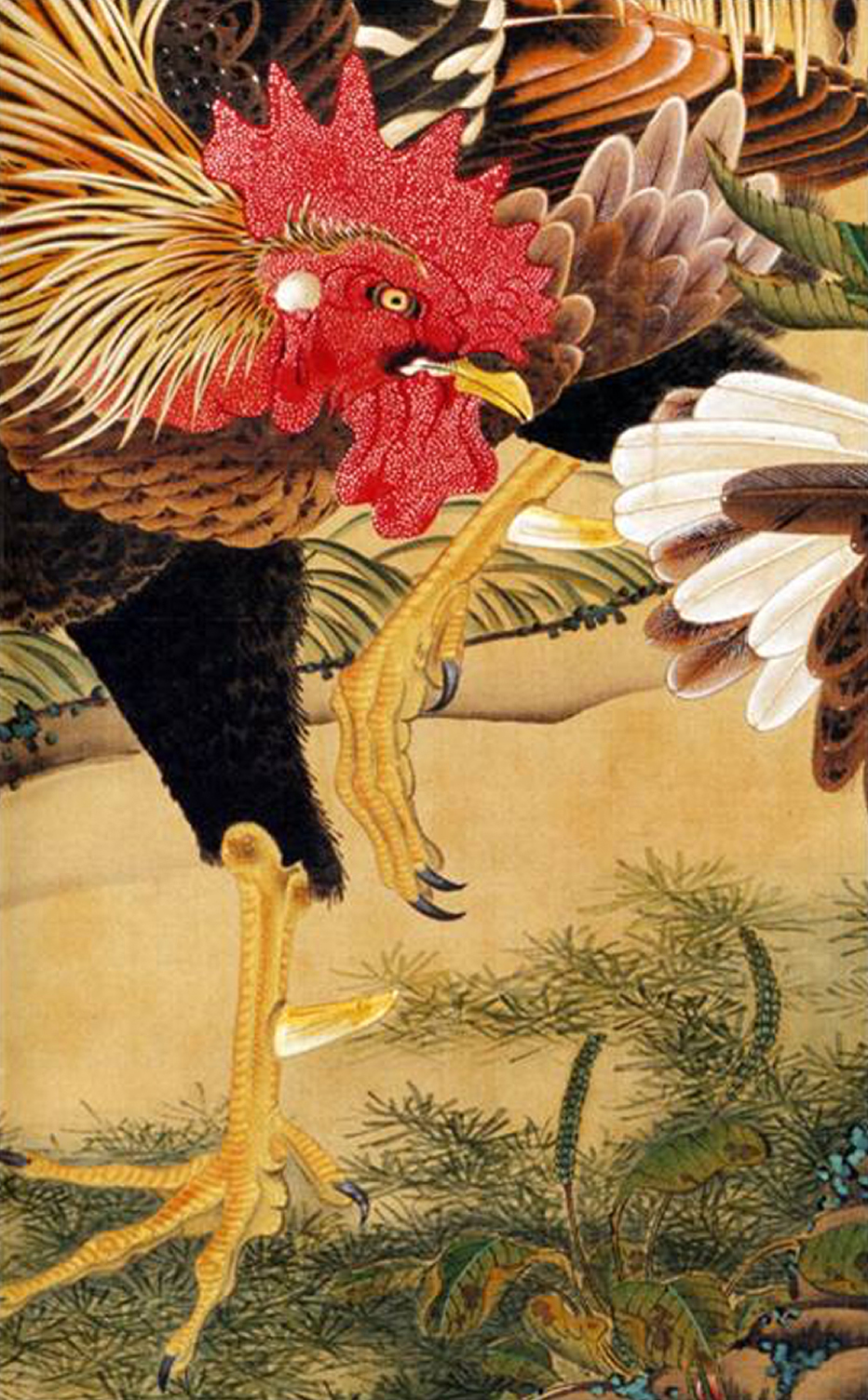
かつて普賢寺の家々には若冲の花鳥画が残されていましたが、その多くは時代の中で失われましたが、2017年に約230年の時を経て伊東邸で発見されました。
静かな山里で、自由に、そしてただ描くことに生きた晩年の若冲。その足跡は、この土地の記憶として今も語り継がれ、普賢寺にひそやかに残されています。
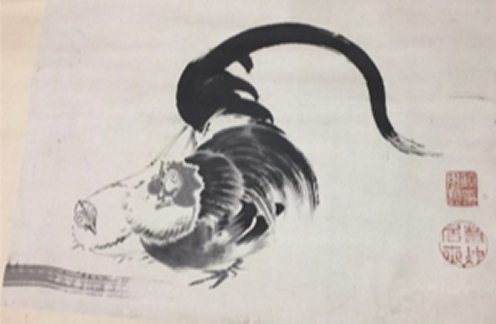 当家で発見された絵
The Connection Between Ito Jakuchu and Fugenji
In the late Edo period, the legendary painter Ito Jakuchu (1716-1800), renowned for his exquisite paintings of flowers and birds, spent his final years here in Fugenji.
During the Kansei era, an eccentric man appeared in the village—sporting a long beard, wearing a simple sash, and living a life of carefree solitude. Whenever he ran out of food, he would paint a single picture and exchange it for a "to" (a traditional unit) of rice. Because of this, the locals affectionately called him the "Tobei Painter" (The One-To-of-Rice Painter). This mysterious figure was none other than Ito Jakuchu, whose genius is now celebrated worldwide.
Born into a wealthy vegetable wholesale family in Kyoto, Jakuchu initially studied under masters but soon realized the limits of traditional styles. He pursued his own unique path, developing a brushwork—especially in his depiction of birds—that remains unparalleled in art history.
While many of the Jakuchu paintings once kept in the homes of Fugenji were lost to time, a rare work was miraculously rediscovered at the Ito Estate in 2017, returning to the light after approximately 230 years.
In this quiet mountain village, Jakuchu lived his final days with absolute freedom, devoted entirely to his art. His footsteps remain a cherished memory of this land, quietly preserved here in Fugenji.
 所蔵:マスプロ美術館
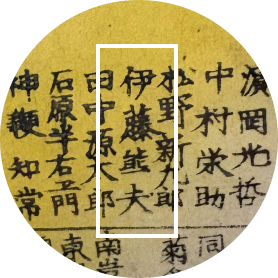
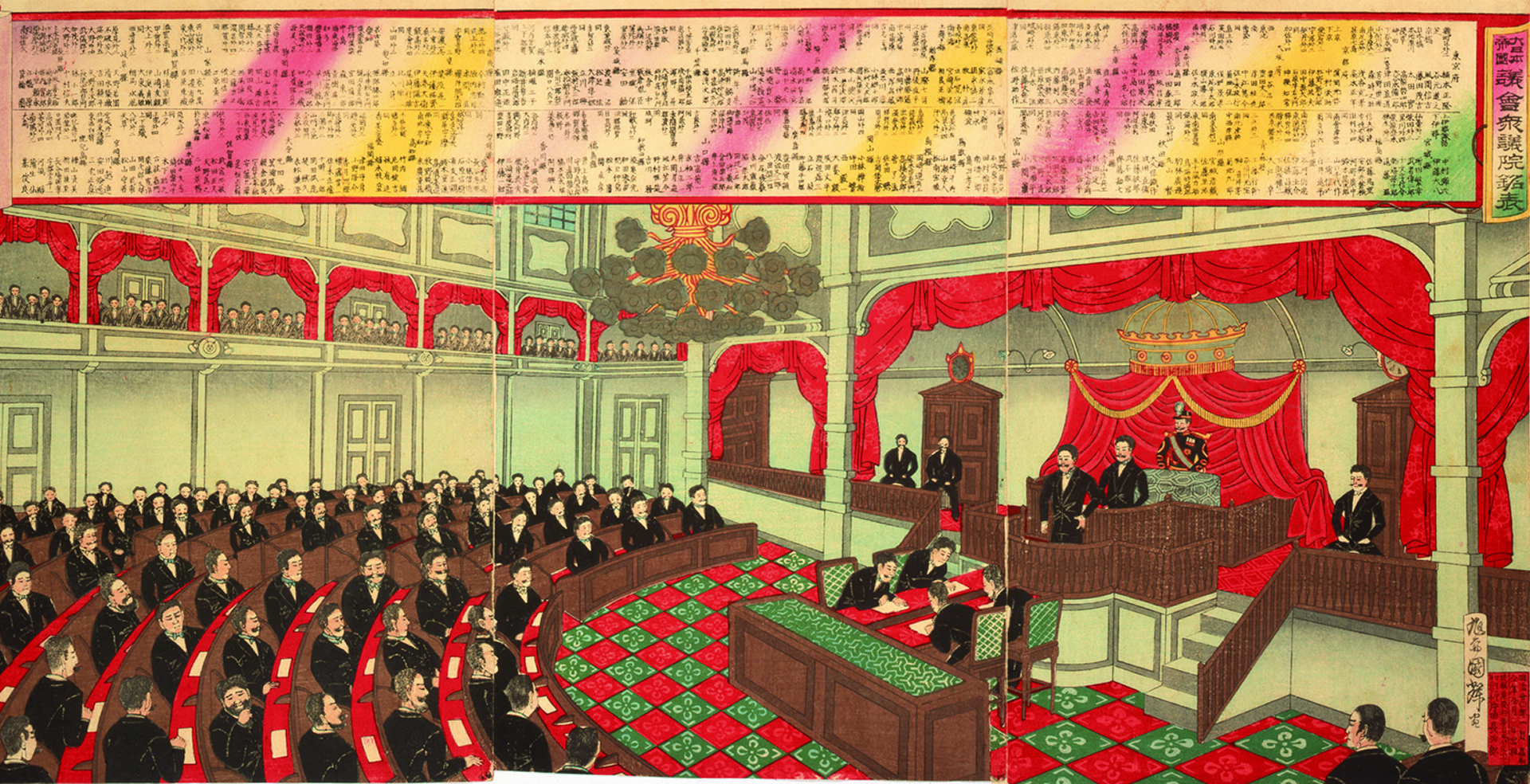
絵中右上に「伊藤熊夫」の記載あり(左図は拡大)。「伊東」ではなく「伊藤」と間違って記載されています。こうした誤記は当時の時事錦絵にはしばしば見られるものであり、当時の情報の伝播速度や、版元における制作の実態を物語る史料的価値の一つとして捉えることができます。
The name "Kumao Ito" is inscribed in the upper right of the artwork (see the enlarged image on the left). Interestingly, the surname is written with the characters 「伊藤」 instead of the family’s correct spelling, 「伊東」.
Such misspellings were frequently seen in the Nishiki-e (colored woodblock prints) of that era. Rather than a simple mistake, this discrepancy serves as an invaluable historical record, reflecting the speed at which news traveled and the frantic pace of production within publishing houses at the time.
新島襄・勝海舟との関わり
第9代伊東熊夫は同志社英学校(現・同志社大学)創設を支援し、新島襄と書簡を交わしていました。また「南山義塾」を開設し、開校式では新島襄が祝辞を述べています。加えて勝海舟とも交流があり、普賢寺にて二幅の書を贈られています。
その後1890年には第1回衆議院議員へと進み、教育の理念を社会へ広げる役割を担いました。
The Connection to Joseph Hardy Neesima and Katsu Kaishu
The 9th head of the family, Kumao Ito, was a significant supporter of the founding of Doshisha English School (now Doshisha University) and maintained a regular correspondence with its founder, Joseph Hardy Neesima. Kumao also established "Nanzan Gijuku," a private school dedicated to regional education, where Neesima himself delivered a congratulatory address at the opening ceremony.
Furthermore, Kumao enjoyed a close friendship with Katsu Kaishu, the legendary statesman and architect of modern Japan. During his stay in Fugenji, Kaishu presented Kumao with two large calligraphic scrolls as a token of their bond.
In 1890, Kumao was elected as a member of Japan's first House of Representatives, where he played a pivotal role in weaving his educational philosophies into the fabric of the nation's budding modern society.
山城製茶とシカゴ万博
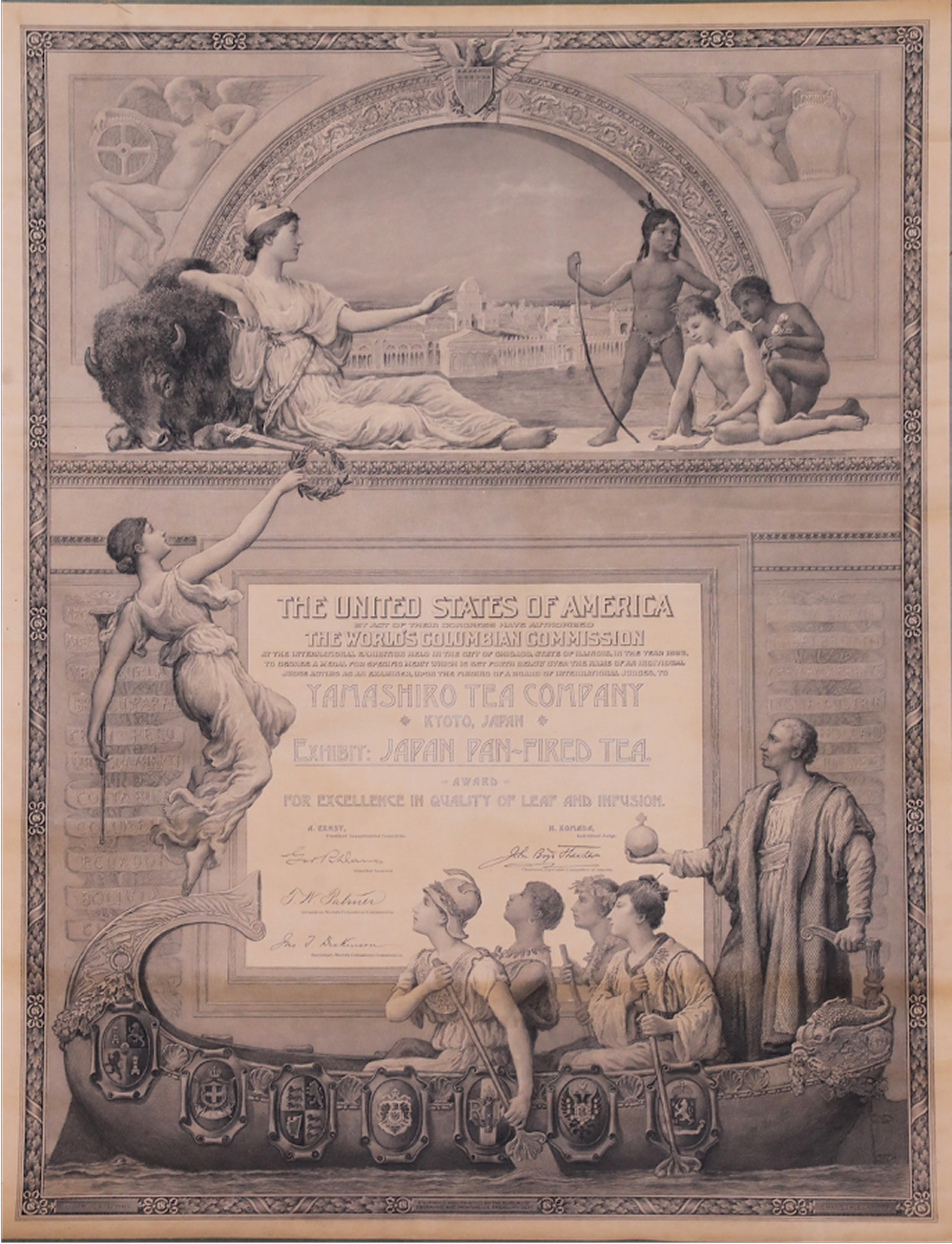
熊夫は綴喜郡茶業総代会を創設し、1886年には山城製茶会社を設立。宇治茶の品質向上と輸出を推進し、地域産業の近代化に尽力しました。
その成果は1893年 シカゴ万博で日本式喫茶店を企画して受賞する形で結実。
その際にアメリカから持ち帰られた木が、今も伊東家の庭に残っています。
Yamashiro Tea and the Chicago World's Fair
Kumao Ito founded the Tsuzuki District Tea Industry Association and, in 1886, established the Yamashiro Tea Company. He dedicated himself to modernizing the local industry by enhancing the quality of Uji tea and aggressively promoting its export to global markets.
These efforts culminated in a grand success at the 1893 Chicago World's Fair, where his concept for a "Japanese-style Tea House" received high acclaim and a prestigious award. The trees he brought back from America upon his return were planted in the estate's garden, where they continue to thrive today—a living legacy of his pioneering spirit.
佐野 文彦(建築家 / すきや大工)
1981年奈良県生まれ。数寄屋建築の名匠・中村外二工務店に大工として弟子入り。年季明け後、設計事務所、PPMOBLERなどを経て2011年独立。2016年文化庁文化交流使として世界16か国を歴訪し各地の文化と交わる数々のプロジェクトを敢行。独自の経験から得た技術と感覚を活かし、建築からアートまで領域横断的に活動している。
また近年では、林業や日本酒など、日本の歴史や文化に深く根ざしたものの価値を再評価しアップデートすべく、活動の幅を広げている。
主な展覧会に、MOT satellite/東京現代美術館(2017)、Design Miami/Basel (2017)、Undefined Object/Salvatore Ferragamo(2019)、Sence Island(2019)、Mind Trail(2020)、そこには何か見えたか /Nadoya Ebisu (2021)、跳躍する作り手たち/京都市京セラ美術館 (2023) 主な受賞歴に、EDIDA 2014 ELLE DECO Young Japanese Design Talent(2014) 、2016年度文化庁文化交流使 (2016-17)、IF DESIGN AWARD (2020)、GOOD DESIGN AWORD (2021)、FRAME AWARD : Emerging Designer of the Year(2022) Single-Brand store of the Year(2023)、IVS2025 IBM BLUE HUB 大賞、落合陽一賞、京都信用金庫賞(2025)Forbes CULTURE-PRENEURS 30 (2025)
本邸では、2021年に浴室と洗面空間の改修設計を担当。「坪庭と一体化した露天のような体験」をコンセプトに、静けさと素材の手触りを活かした空間が生み出された。
Fumihiko Sano (Architect / Sukiya Carpenter)
Fumihiko Sano
Architect / Sukiya Carpenter
Born in Nara Prefecture in 1981. He began his career as an apprentice carpenter at Nakamura Sotoji Komuten, a renowned master of Sukiya-style architecture. After completing his apprenticeship, he gained further experience at architectural firms and PP Møbler before establishing his own practice in 2011. In 2016, he was appointed as a Japan Cultural Envoy by the Agency for Cultural Affairs, traveling to 16 countries to engage in cross-cultural projects.
Leveraging the skills and sensibilities honed through his unique background, Sano works across disciplines ranging from architecture to contemporary art. In recent years, he has expanded his scope to re-evaluate and "update" elements deeply rooted in Japanese history and culture, such as forestry and sake brewing.
Selected Exhibitions: MOT satellite, Museum of Contemporary Art Tokyo (2017) / Design Miami/Basel (2017) / Undefined Object, Salvatore Ferragamo (2019) / Sense Island (2019) / Mind Trail (2020) / Was Something Visible There?, Nadoya Ebisu (2021) / Jump over the Boundaries: KOGEI Next, Kyoto City KYOCERA Museum of Art (2023)
Selected Awards:EDIDA 2014 ELLE DECO Young Japanese Design Talent (2014) / Japan Cultural Envoy, Agency for Cultural Affairs (2016–17) / iF DESIGN AWARD (2020) / GOOD DESIGN AWARD (2021) / FRAME AWARD: Emerging Designer of the Year (2022), Single-Brand Store of the Year (2023) / IVS2025 IBM BLUE HUB Grand Prix, Yoichi Ochiai Award, Kyoto Shinkin Bank Award (2025) / Forbes Japan "CULTURE-PRENEURS 30" (2025)